Emergency Help
 Location
ORTHODONTIC TREATMENTS
Ceramic Braces
When it comes to teeth, we can set things straight
What Are Ceramic Braces?
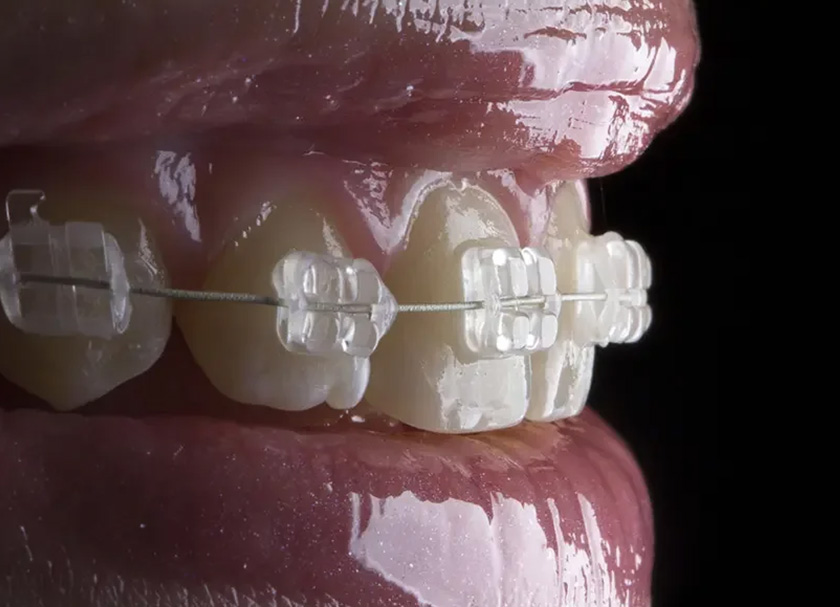
Ceramic braces, also known as clear braces, are orthodontic tools used to straighten teeth and fix bite problems. They consist of clear or tooth-colored ceramic brackets attached to the surface of your teeth with similarly colored wires and rubber bands, which provide more discretion.
Common Causes of Malocclusion
Typically an inherited condition that is passed from one generation to the next, malocclusion can also occur due to certain conditions or habits that induce changes in the shape and structure of the jaw.
A common cause is too much or too little room to erupt as a result of which the teeth tend to drift out of their place. Other major causes of malocclusion inclusion include:
- Tooth loss
- Prolonged use of the pacifier
- Thumb sucking
- Cleft lip and palate
- Injuries and trauma
- Tumors in the mouth
- Bottle feeding
- Impacted tooth
- Lack of oral care
- Airway obstructed by enlarged adenoids or allergies
The Symptoms of Malocclusion
- Misaligned teeth
- Discomfort when biting or chewing food
- Speech problems
- Difficulty in breathing through the mouth
- Frequent biting of tongue or cheeks
- Change in the facial structure
What Orthodontic Issues Can Invisalign Fix?

Pros And Cons Of Ceramic braces
Pros
Cons
- They’re less visible than metal braces. The ceramic material used in these braces can be either clear or tooth-colored.
- They move teeth faster than clear aligners (Invisalign). Ceramic braces take about 18 to 36 months to straighten your teeth.
- You can choose your colors. imaginable.
- They don’t interfere with imaging tests.
- They’re more expensive than metal braces. Ceramic braces can cost at least $1,000 to $2,000 more
- They may cause gum sensitivity. This can make it harder to clean around your brackets, leading to swollen gums or receding gums if your toothbrush doesn’t reach the enamel and gumline.
- They’re slightly less durable. Ceramic braces are more than twice as likely to break off or fracture. The process of removing the glue (debonding) has also been known to cause damage to your tooth surface (enamel).
- They move teeth slower. Because they’re more fragile, having to repair broken brackets or make incremental adjustments at each appointment can delay the straightening process.
- They may stain. The elastic ties holding the wire to the brackets can stain easily and remain stained until they’re replaced.
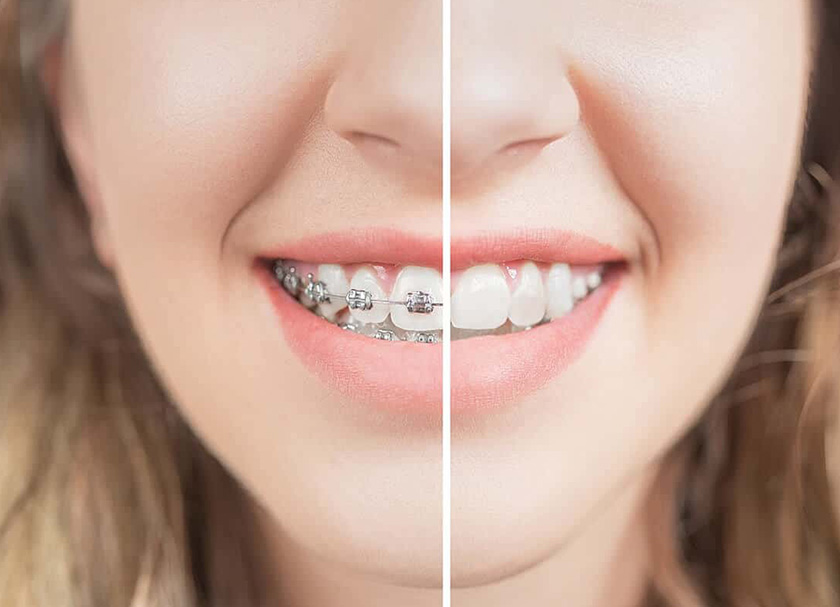
Ceramic Braces: Before and After
How are Ceramic Braces Fitted?
- Firstly, the teeth must be dry, and clean and then the orthodontist will apply a product called etch to each tooth. This is then washed away and the teeth are dried.
- After the teeth have been cleaned and dried, each block is glued individually on the teeth.
- Once this has been done, a thin wire is threaded through each block and held in place by a small clear elastic.
- The thickness of the wire slowly progresses throughout the treatment as the teeth move into the perfect arch position.
- Once the braces are fitted, the treatment duration varies for each individual.
- On average a course of treatment is between 12-24 months.
- At the end of the treatment, a retainer will be given.
- A retainer is an invisible removable appliance that helps to keep the teeth in their new position.
How do Ceramic Braces work?
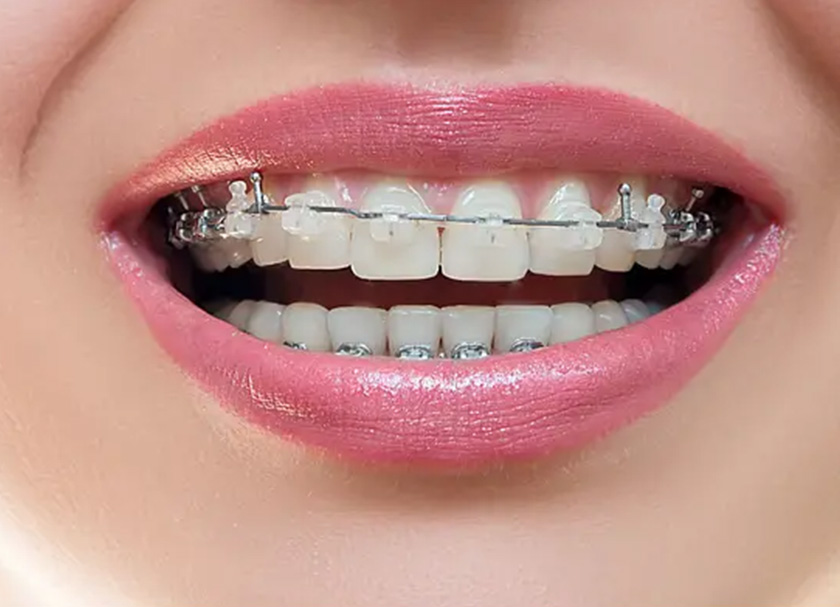
- A ceramic bracket will be attached to each misaligned tooth
- Each bracket is customized to adjust the tooth to the proper location and angle.
- The bracket has a slot for the wire that will form an arch around the teeth.
- Using gentle pressure, the wire moves the teeth into ideal positions.
How to care for ceramic braces
- Brush the teeth at least twice a day
- Floss the teeth at least once a day
- Understand what foods and drinks cause stains
Risks With Ceramic Braces
- Ceramic brackets are larger than metal brackets.
- This can make it harder to clean around your brackets, leading to swollen gums or receding gums if your toothbrush doesn’t reach the enamel and gumline.
FAQ's
How Do Ceramic Braces Differ from Metal Braces?
What Issues Can Ceramic Braces Fix?
Are Ceramic Braces Uncomfortable to Wear?
You can expect some level of discomfort or pain. the brackets of ceramic braces are small and rounded. Patients should experience minimal irritation to the gums and surrounding mouth area.
How Long Will My Treatment Take?
What Food and Drink Should I Avoid with Ceramic Braces?
Regain Your Happy Smile in Healthy Way

Our Accomplishments