Emergency Help
 Location
ORTHODONTIC TREATMENTS
Early Treatment
We Create a smile of your dreams
What Is Early Treatment?
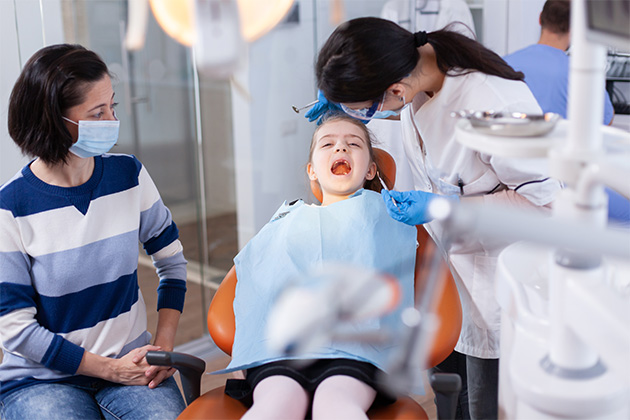
Common Orthodontic Problems
- The early or late loss of primary teeth
- Harmful oral habits like thumb sucking or tongue thrust
- Mouth breathing
- Sleep apnea, snoring, or other indicators that there is a problem with airway development
- Jaws that pop, click, or shift
- Teeth grinding or clenching
- Difficulty chewing or biting
- Biting the roof of the mouth or the cheek
- Facial imbalance or asymmetry
- Speech problems
8 Ways Parents Can Reduce Their Child’s Risks Of Developing Orthodontic Problems
Why Does Early Treatment Is Required?
If children after age 6 are found to have this jaw discrepancy, they are possible candidates for growth modification with orthodontics.
Because they are growing rapidly, children can benefit enormously from an early phase of orthodontic treatment utilizing appliances that direct the growth relationship of the upper and lower jaws.
Thus, a good foundation can be established, providing adequate room for the eruption of all permanent teeth. This early correction may prevent the later removal of permanent teeth to correct overcrowding and/or surgical procedures to align the upper and lower jaws.
Signs and Symptoms indicating the need for early treatment
- Difficulty biting or chewing
- Excessive mouth breathing
- Thumb-sucking or other such habits
- Early or late loss of baby teeth (the ideal age for teeth to start exfoliating is around the age of five; and by the age of 14, a child should have all their permanent teeth.)
- Speech problems or disorders
- Protruding teeth (teeth that stick out too far. This can lead to unnecessary trauma)
- Uneven teeth, or teeth that do not grow together in a normal way
- Crossbites in the front or back
- Noticeable crowding in the front teeth around the age of seven or eight
Conditions treated by early orthodontic intervention
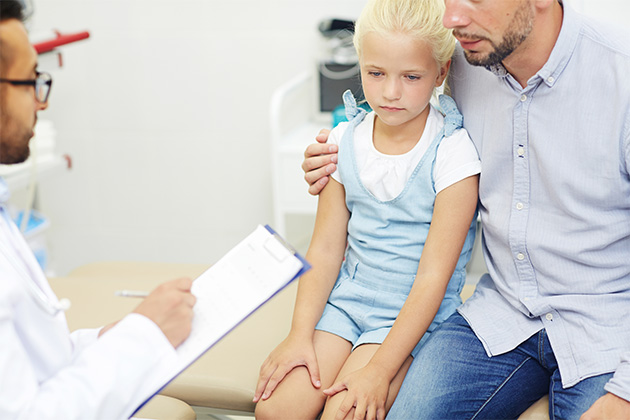
Pros And Cons Of Early Orthodontic Treatment
Pros
Cons
- Early loss of space preserving baby teeth and subsequent space stealing by other erupting teeth
- Crossbites (a narrow arch biting awkwardly with opposing teeth)
- This makes crowding worse
- Can also lead to facial asymmetry if the lower jaw is forced off to one side
- Inadequate space for the proper and timely eruption of future teeth
- Severely protruding teeth
- Prone to social trauma and physical injury
- Patient burnout can happen.
- Even with that, compliance still isn’t a sure thing. When equipment gets in the way of favorite activities and food.
- Our biggest problem is when parents are as involved as they need to be with their child’s oral hygiene. Asking a 7 or 8-year-old to brush perfectly with or without braces in their mouth is a tall task
- Younger kids definitely need closer supervision in taking care of their teeth and equipment, and regular visits to the orthodontist to monitor progress.
The Benefits of Early Orthodontic Treatment
- Helping keep teeth clean and healthy
- Preventing premature loss of teeth
- Correcting bite problems
- Helping prevent dental trauma
- Saving time and money
- Helping reduce or correct speech problems
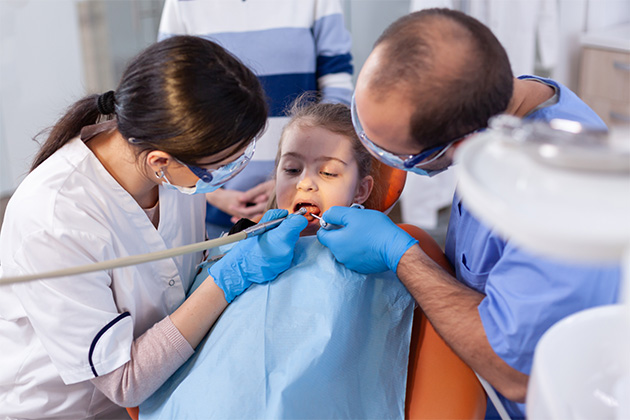
Types Of Early Orthodontic Treatments
- Expansion
- Thumb-sucking habit cessation
- Interceptive extractions
- Growth modification
Procedure
Phase 1 orthodontic treatment, or interceptive orthodontics, typically occurs between 6 and 9 years of age, during the mixed dentition phase, when patients begin to lose their baby teeth. This is the best time to detect whether there are disturbances in jaw growth or tooth development that are more easily addressed at the age of 7 years.
Patients with craniofacial differences, including cleft lip and palate, commonly have misaligned teeth or disruptions in tooth and/or jaw development that are best addressed at this time.
A short phase of orthodontics can be utilized at this time to favorably enhance the growth of your child’s jaw. Orthodontic treatment creates space to guide the development and eruption of the permanent teeth into proper alignment. This phase of treatment typically lasts from nine to 12 months, and although treatment is individualized for each patient, common orthodontic therapies used at this time include:
- Headgear
- Functional appliances
- The limited phase of braces (selected teeth)
- Specialized retainers
- Expansion appliances
- Space maintainers
After Care For Early Treatment
- It is important for parents to know how to take care of their child’s mouth and any dental appliances provided.
- Good oral hygiene can help loosen any food that may end up getting caught in the dental appliances. Plaque at and under the gumline that would eventually harden into tartar should also be removed.
- It is also advisable for parents to inquire about the right oral care products that can be used.
- The products should be able to reach areas in the teeth that might be difficult to clean well with a toothbrush.
- Talking to the orthodontist about oral care recommendations can be very helpful. Parents should also find out when to take children for cleanings and regular checkups.
FAQ's
What is the importance of early orthodontics?
What happens when you get braces too early?
At what age should orthodontic treatment begin?
The ideal age at which your child should receive braces is between ages 9 and 13 because their permanent teeth start fully coming in during that time. Age 7 to 12 is a good age to take your kid to their first orthodontist visit. When a child visits the dentist around this age, they may check for a couple of things
What precautions should be taken during orthodontic treatment?
It is best to take precautions to avoid damaging your braces. For example, activities to avoid include eating chewy, hard, or crunchy foods, biting your lip, breathing excessively through your mouth, and pushing your tongue against your teeth. To eat crunchy foods, cut them into small, bite-size pieces.
What are orthodontic emergencies?
Regain Your Happy Smile in Healthy Way
Our Accomplishments