Emergency Help
 Location
ORTHODONTIC TREATMENTS
Interceptive Treatment
We Create a smile of your dreams
What Is Interceptive Orthodontics?
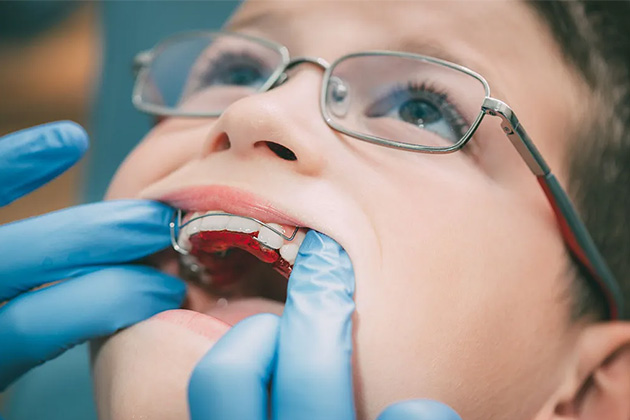
8 Ways Parents Can Reduce Their Child’s Risks Of Developing Orthodontic Problems
Why Is Interceptive Orthodontics Important?
Interceptive orthodontics takes advantage of growing jaws to correct issues like overbites, crossbites, misalignments, and underbites before they get out of hand.
By choosing interceptive orthodontics, you save a lot of money, which you would have used in later years for more extensive procedures that take a longer time to treat.
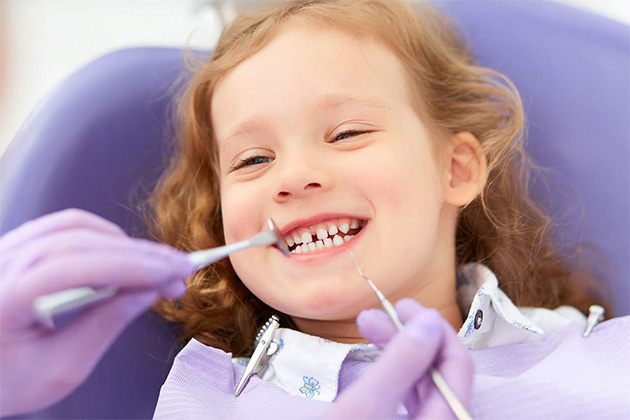
Who Will Benefit Most From Early Interceptive Treatment?
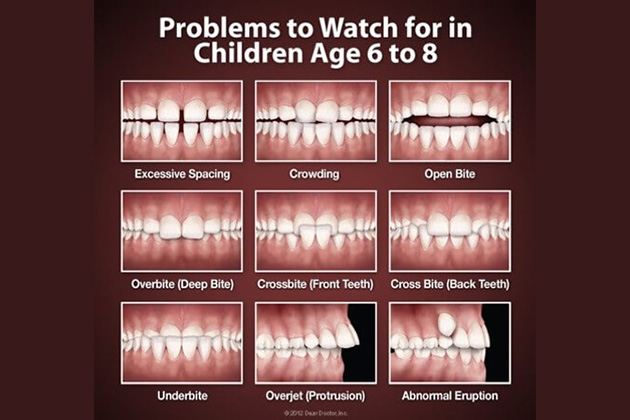
What Types Of Dental Problems Can Be Treated?
- To correct the growth of the lower jaw, when it is too large or too small.
- To widen the bones of the upper jaw.
- To correct malocclusion problems
- To correct the lack of space to prepare the dentition for the appearance of the permanent teeth.
- To correct problems related to thumb sucking which deforms the jaw.
Pros And Cons Of Interceptive orthodontics
Pros
Cons
- By taking care of your child's dental development problems at an early age, you are doing much more than treating a cosmetic problem.
- Interceptive orthodontics is first and foremost a health issue and prevents the development of more serious problems in adulthood as we have already discussed.
- By acting on the bones before growth is complete, it will be easier to achieve good results without resorting to more invasive treatment.
- You should also take into account that it will be easier, quicker, and less expensive to carry out corrective orthodontic treatment after interceptive treatment.
- However, it is sometimes difficult to explain to a child so young that they have to wear braces. They are often uncomfortable and need some time to adapt, especially at mealtimes and bedtime, when thumb-sucking is not possible. It will take a lot of patience to explain to them why this treatment is so important for them.
Benefits Of Early Interceptive Treatment
- Keeping your child’s teeth healthy
- Preventing tooth decay or loss
- Correcting jaw irregularities
- Improving your child’s bite
- Reducing the risk of dental trauma
Types Of Devices
- Palatal expander
- Face mask
- Extraoral anchorage
- Chin support
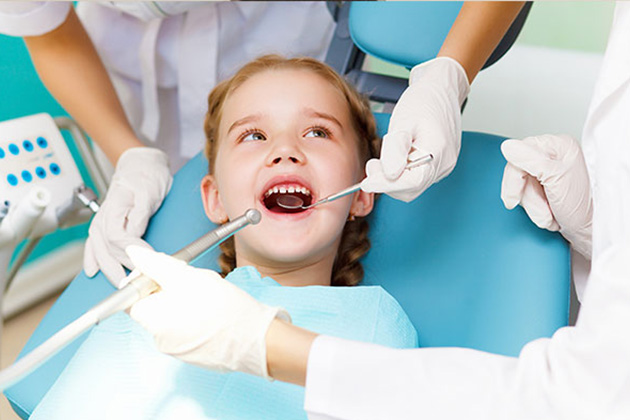
What Type Of Braces Can Be Used For Corrective Orthodontics?
The Phases Of Early Interceptive Treatment
Abra Dental implements a two-phase early interceptive treatment process. Following this process may allow your child to improve the overall alignment of their teeth and enhance their oral health. In addition, sticking to this process may also reduce the amount of time your child needs to wear braces or other orthodontic devices.
Phase 1 Orthodontic Treatment
Phase 1 orthodontic treatment typically begins when your child is between 6 and 10. During this phase, we focus on correcting any problems that may be present before your child’s adult teeth come in. This phase may involve using palatal expanders, space maintainers, and other devices to guide your child’s teeth into their proper position.
Phase 2 Orthodontic Treatment
Phase 2 begins when your child’s adult teeth have come in, typically around 11 or 12. During this phase, we will assess how well the phase 1 treatment worked and whether your child will need any additional treatments, such as braces. If phase 1 treatment was successful, phase 2 might be shorter and less intensive.
What Is The Risk Of Not Wearing Braces On Time?
Once bone growth has finished, it will be much more complicated to treat a jaw problem. Wearing simple orthodontics will do nothing about it, and will require much longer treatment.
Adults who have not been treated will need to undergo tooth extractions or maxillofacial surgery. In addition, they will need to wear traditional braces.
Therefore, treatment will be longer, more expensive, and more complex in adulthood, where it is not always easy to find the time and courage to take the step.
FAQ's
What’s the difference between interceptive orthodontics and regular orthodontics?
What are the advantages of early treatment with interceptive orthodontics?
What are some common issues that can be treated with interceptive orthodontics?
A: One is crowding, where there is not enough room in the jaw to accommodate all the permanent teeth with proper spacing in between. A palatal expander can be used to create more room in the jaw and avoid the need for tooth extraction. Another is a situation where the top and bottom jaws don’t develop at the same rate, resulting in a serious malocclusion (bad bite). A number of special appliances may be used to promote or restrict jaw growth, which can help resolve these problems.
How long does interceptive orthodontic treatment take?
A: Depending on what’s needed, a child might wear a device like a palatal expander or another type of appliance for 6-12 months, followed by a retainer for a period of time. Or, a space maintainer may be left in place for a period of months to hold a place for a permanent tooth to erupt (emerge from the gums). Interceptive treatment ends when a child’s jaw stops growing.
Will braces still be needed after interceptive treatment?
Regain Your Happy Smile in Healthy Way

Our Accomplishments