Emergency Help
 Location
ORTHODONTIC TREATMENTS
Self Ligating Damon
When it comes to teeth, we can set things straight
What are self-ligating Braces?
In the past, “braces” meant a mouth full of metal and elastic bands for a long time, but today, self-ligating braces offer a more comfortable and efficient treatment.
Self-ligating braces are no different from any other type of orthodontic aligners. They work in the same way as traditional braces to straighten teeth and align the jaw.
Why should you do the procedure?
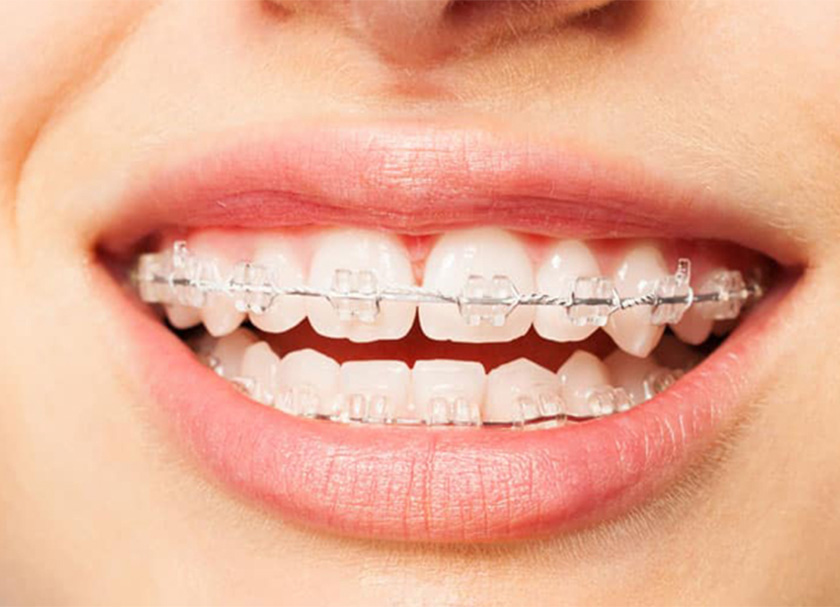
- If you are worried about appearance, damon braces are actually less noticeable than conventional braces.
- They take less time than traditional braces. Generally, the expected time span is less than half a year or even shorter to get the most desired result.
- Due to there being a lower amount of friction involved because there is no elastic or metal ligature, your teeth will be able to slide more comfortably.
- The ligature is eliminated with damon braces, thus it is a better option for orthodontic treatment.
Who should get self-ligating daemons?
Whether you get self-ligating daemons can depend on factors like your specific condition of teeth, your treatment plan, and your budget.
Your orthodontist can work with you to determine whether self-ligating daemons are a good option for you.
- It provides extra protection to the occlusal surface of chewing teeth
- Prevents bacterial attack.
Conditions that can be treated by this procedure
Pros and Cons of Self-Ligating Braces
Pros
Cons
- No rubber bands — lack of bands means the braces are less likely to be as noticeable.
- Smaller brackets — smaller brackets than those in traditional braces, which may feel more comfortable.
- Convenience — some people find that self-ligating braces are easier to clean than traditional braces.
- Faster appointments — because there are no ligatures, your appointments may take less time.
- Less discomfort — some evidence suggests that you may experience less discomfort with self-ligating braces.
- No rubber bands — this may be a downside for you if you enjoy using your colorful bands as an opportunity to accessorize.
- Cost — the cost of self-ligating braces is usually slightly higher than traditional ones because the technology is newer. Complex cases may increase the price.
- Mechanical failure — sometimes, the mechanism that holds the wire in place in self-ligating braces may break or get stuck. This will need to be repaired before treatment can continue.
- Less precise — the design of the brackets may not be able to make as precise movements as traditional braces.
Benefits of self-ligating daemons
Types of self-ligating daemons
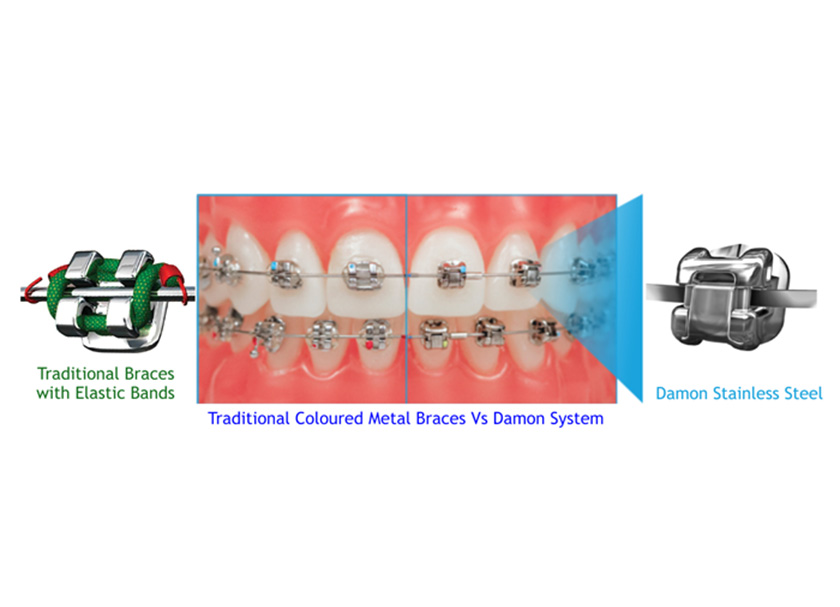
self-ligating Braces: Before and After
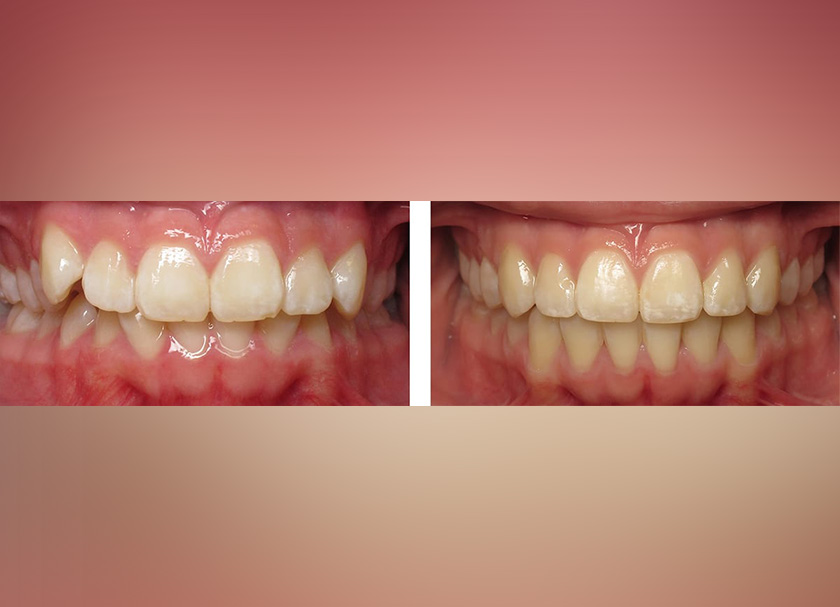
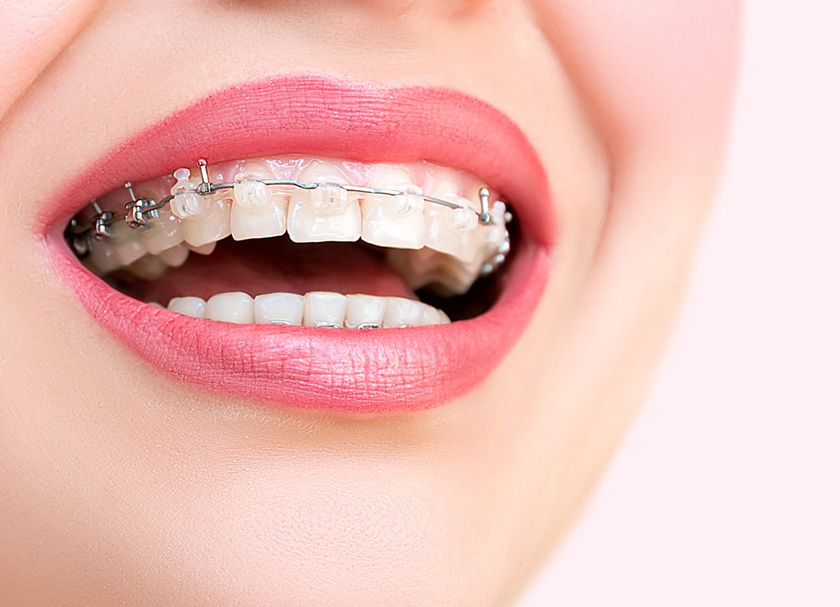
What is the procedure for Self Ligating Damon Braces?
While traditional metal braces need to be periodically adjusted in order for the archwire to move all the teeth in place, self-ligating braces work a bit differently.
Self-ligating braces still depend on the pressure of an archwire to move teeth. But this wire isn’t locked in place by rubber bands. Instead, the brackets that hold the wire have built-in sliding lock mechanisms and spring-loaded doors that allow the wire to move. Special clips let the orthodontist open the brackets to remove and replace the archwire.
In passive self-ligating braces, the wire moves freely through the passive brackets with no added pressure.
Active self-ligating braces use brackets that have tiny springs that maintain a small degree of pressure on the archwire.
The archwire can move easily through the brackets and this helps self-ligating braces to naturally and comfortably guide teeth into healthy alignment without applying too much tension and friction on the teeth.
How to take care?
- Rinse with water or water/mouthwash before brushing your teeth to loosen any food that might be in your braces.
- Alternatively, use a gentle setting on a water flosser to loosen food.
- Get a toothbrush designed for braces and brush at a 45-degree angle to your gums.
- Carefully brush every tooth around the bracket and at the gumline.
- Floss between your teeth as thoroughly as possible around the wires, without loosening them.
- Consider using a water flosser on a higher setting to dislodge remaining food and plaque.
- Swish with mouthwash after brushing and flossing to improve overall oral health and cleanliness.
Are there any risks or precautions?
FAQ's
Do they need tightening?
Are they comfortable or do they hurt?
Self-ligating daemons can lead to pain or discomfort. This may be particularly common after you first get them, or after you’ve had an adjustment appointment.
Regain Your Happy Smile in Healthy Way

Our Accomplishments