Emergency Help
 Location
ORTHODONTIC TREATMENTS
Two-Phase Treatment
We Create a smile of your dreams
What Is Two-Phase Treatment?

Signs of Needing Two-Phase Orthodontic Treatment
- Losing baby teeth early (before age 5)
- Biting or chewing problems
- Thumb-sucking after age 5
- If the teeth don’t come together properly when opening, or if any evidence of crossbite
- If teeth become crowded at age 7 or 8
- Protruding upper or lower teeth
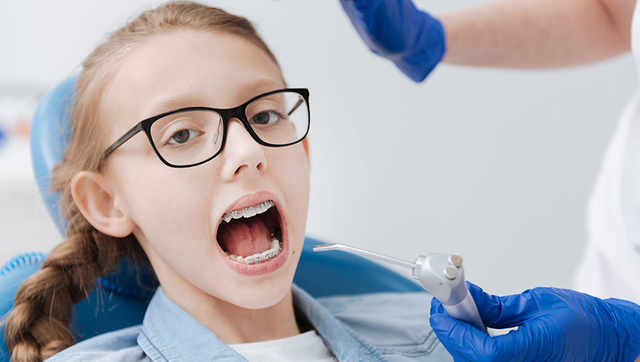
What if treatment is put off?
Why you should do the treatment
Signs Your Child Might Need Early Orthodontic Treatment
There are several indicators that your child might benefit from two-phase orthodontic treatment.
One sign is the early loss of primary teeth. If your child begins losing teeth before age 5 or begins losing teeth significantly out of order (e.g. the first lost tooth is a molar), you should schedule an appointment with an orthodontist.
If your child is still engaging in sucking on the thumb, other fingers, or pacifier behavior at age 5 despite your efforts to break the habit, you should schedule an appointment with an orthodontist. Persistent thumb sucking can cause an overbite and malformation of the roof of the mouth.
A child who is experiencing difficulty biting or chewing might also benefit from early intervention. Your child could be experiencing pain from tooth decay or a tooth infection. These problems also could indicate a misaligned bite, in which your child is unable to properly open or close his or her jaw.
An orthodontist also can address early signs of a crossbite. A crossbite occurs when the top teeth and bottom teeth do not come together correctly or they bite into an incorrect overlapping position.
Prematurely crowded teeth also could indicate a problem that needs orthodontic correction. If your young child is growing in adult teeth that are coming in overlapping, rotated, or up high, early treatment can help make room for them to grow in.
If your child’s upper or lower teeth are protruding, she might benefit from early correction. Protruding teeth can cause a variety of problems including difficulty biting and chewing, as well as speech problems.
Who Needs Two-Phase Treatment?
Not everyone needs two-phase orthodontic treatment. At the age of six, we can begin to identify serious misalignment issues, for example, an upper or lower jaw that is growing too much or not enough. Children with severe alignment problems can benefit substantially from an early dose of orthodontic treatment. If left untreated, jaw discrepancies and overcrowding will likely get worse over time and may become too severe for braces to be effective. Early orthodontic intervention reduces the need for extraction and other complicated, costly procedures later on.

Benefits Of Two-Phase Treatment
- Improved health, function, and aesthetics
- Reduced need for extraction
- Reduced need for jaw surgery
- Improved airways
- A nicer smile
- Proper facial growth potential
How Two-Phase Treatment Works
- Traditional braces (usually on select teeth)
- Specialized retainers
- Headgear
- Space maintainers
- Functional appliances
- Expansion appliances
Phase one treatment is designed to prepare your child for a better outcome and easier treatment path in phase two. In most cases, this early intervention will not eliminate the need for treatment with braces in early adolescence.
In between phase one and two treatments, your child’s orthodontist will use X-rays and physical examinations to monitor further jaw development and eruption of any remaining permanent teeth.
Although this in-between period typically will not require any appliances–though in some cases your child may be asked to wear a retainer to maintain progress made in phase one–it is important that you keep up with regular appointments and follow all your orthodontist’s instructions. This can save a substantial amount of time and effort during phase two treatment.
Phase two orthodontic treatment is the process that most people are familiar with, where braces are applied to the top and bottom teeth. This will position all your child’s permanent teeth and set him or her up with a healthy and attractive smile. Teeth also will be aligned for function and stability with braces and specialized retainers or expansion appliances, if needed.
Missing teeth may be replaced during this stage, and teeth that are out of position or fail to erupt may be brought down into the dental arch or removed. For children who have completed a two-phase treatment process, this phase will usually begin when they are about 11 or 12 and will likely last between one and two years.
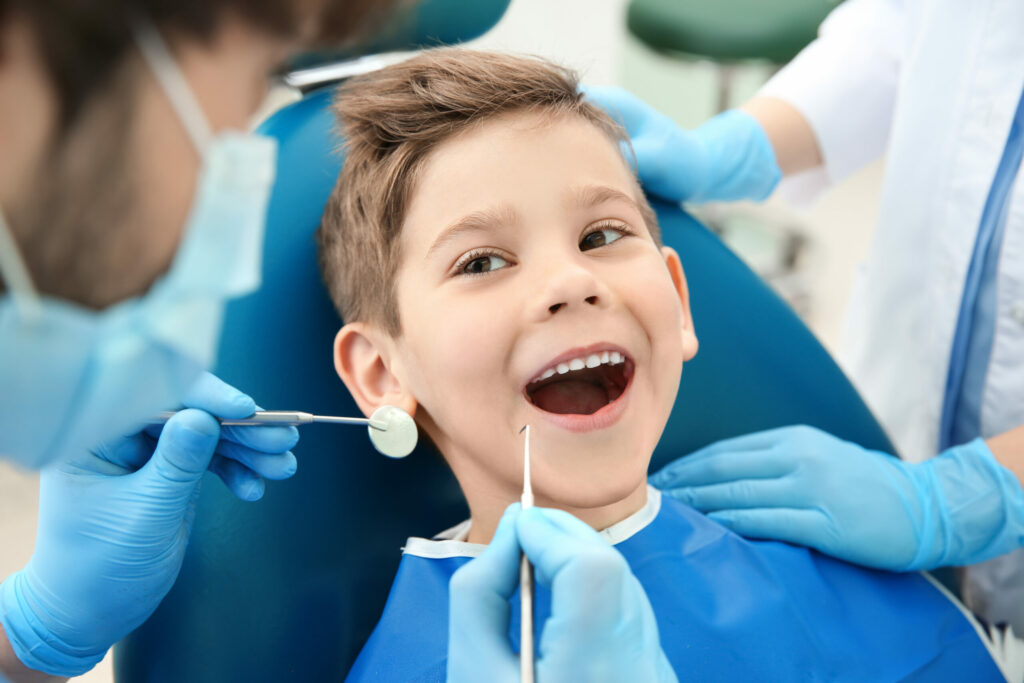
What Can I Expect During This Type of Treatment?
FAQ's
Do you always need Phase 2 braces?
What is Phase 2 of orthodontic treatment?
Why are there 2 phases of braces?
Help the jaws develop to ensure adequate space for all of the permanent teeth, especially the permanent canines.
- May reduce the need to pull permanent teeth in the future.
- Some problems can be treated quite well in a growing child but may require corrective surgery if treatment occurs after growth ends.
- Normalize the relationship of the upper jaw to the lower jaw, especially in the case of an underbite.
- Intervene in a child’s prolonged sucking or abnormal swallowing.
- Damaging pressure can move teeth in the wrong direction and/or change the shape of the bone that supports teeth.
- Tuck in upper front teeth that stick out to reduce the risk of those teeth being broken or knocked out.
How long does the second treatment of braces take?
But this will vary from case to case, and can take anywhere from 3 to 18 months, so it is important to book a consultation with a specialist orthodontist who will discuss the best form of secondary orthodontic treatment for you
What is the rule of 2 orthodontics?
Regain Your Happy Smile in Healthy Way
Our Accomplishments