Emergency Help
 Location
ORTHODONTIC TREATMENTS
Whitening Treatment
What is Teeth Whitening?
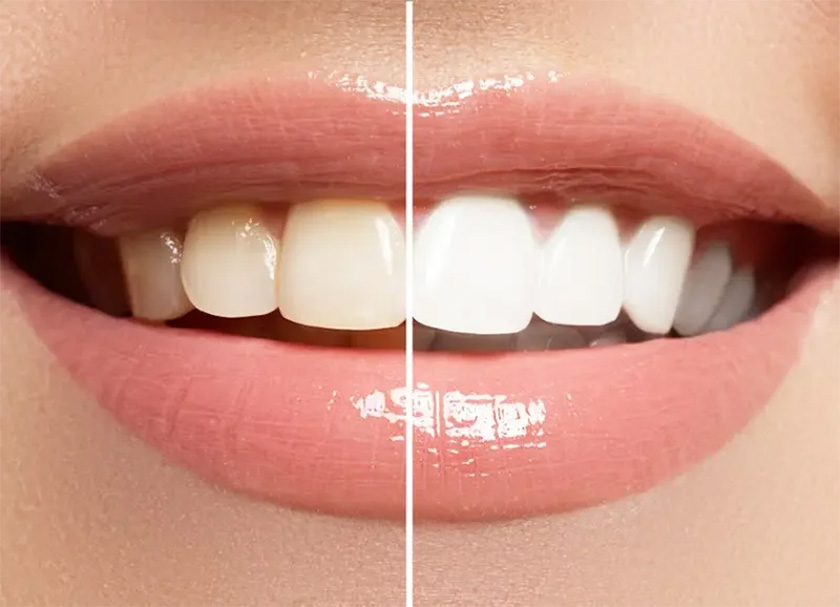
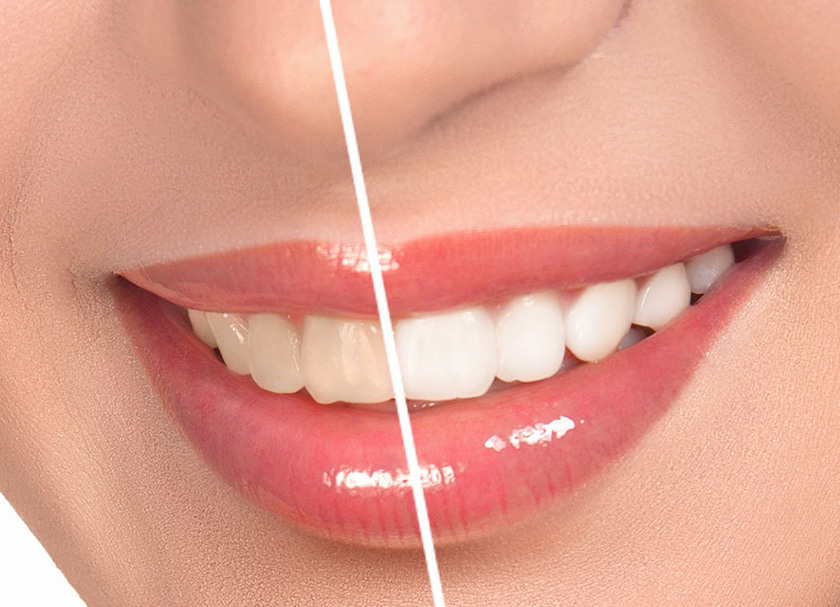
Teeth whitening is one of the most popular cosmetic dentistry treatments offering a quick, non-invasive, and affordable way to enhance a smile.
What Causes Tooth Staining?
Why you should do the Teeth Whitening?
- Teeth whitening boosts your self-confidence
- Teeth whitening enhances your appearance
- Health conditions likTeeth whitening minimizes the look of wrinklese diabetes, heart disease, and arthritis.
Patients Who Are Not Eligible For Teeth Whitening Process
- Patients who have teeth that have become transparent as part of the aging process.
- Patients who are sensitive to peroxide or other chemicals used in their chosen teeth whitening treatment.
- Patients who have ultra-sensitive teeth or gums, which may be irritated by the chemicals used in the whitening process
- Women who are pregnant or breastfeeding
Outcome Of The Procedure
Indications that you need tooth whitening
- General stains on your teeth; Getting older teeth;
- Tobacco smoke and food stains, like those from tea and coffee.
- Dental fluorosis – fluorosis with many spots on teeth that can be whitened may help.
- There have been changes inside your tooth, such as the death of the nerve or root canal treatment.

Benefits Of Teeth Whitening
- It can make a serious difference to the appearance of your teeth.
- Improved confidence in all areas of your life.
- Improved attractiveness to the opposite sex.
- Enhanced opportunities at work.
- Enhanced social opportunities.
- White smiles minimize the appearance of lines and wrinkles and give you a younger overall appearance.
- White smiles also give the impression of healthiness.
- Teeth whitening is one of the most affordable options for cosmetic dental treatment.
- Great teeth can improve your overall appearance.
- Teeth whitening is non-invasive, virtually painless, and does not have any harmful side effects.
- Depending on which teeth whitening process you choose, it can be performed in your own home or the comfort of your dentist’s office in just a short amount of time.
- Teeth whitening requires minimal preparation and fast results.
What are Your Whitening Options?
1. In-Office Whitening : Significant color change in a short time is the major benefit of in-office whitening.This protocol involves the carefully controlled use of a relatively high-concentration peroxide gel, applied to the teeth by the dentist or trained technician after the gums have been protected with a paint-on rubber dam.
Duration: Generally, the peroxide remains on the teeth for several 15 to 20-minute intervals that add up to an hour (at most).
2. Professionally Dispensed Take-Home Kits:Take-home kits incorporate an easy-to-use lower-concentration peroxide gel. The lower the peroxide percentage, the longer it may safely remain on the teeth. The gel is applied to the teeth using custom-made bleaching trays that resemble mouth guards.
Duration: It remains on the teeth for an hour or longer (sometimes overnight).
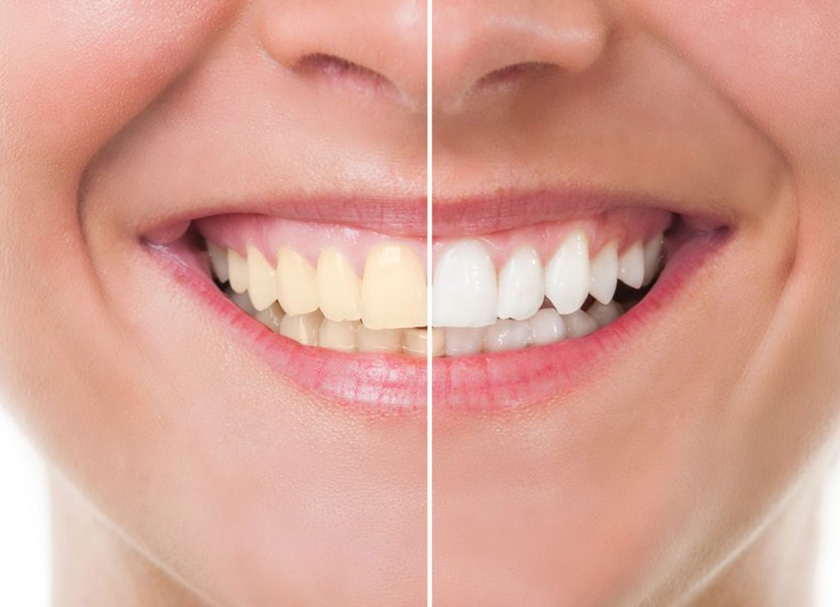
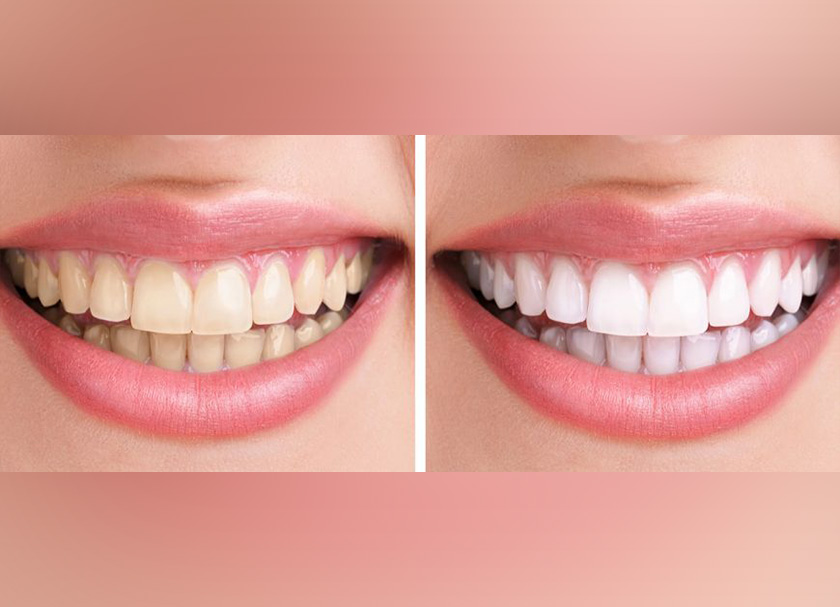
Teeth Whitening: Before and After
During The Teeth Whitening Procedure
Aftercare Teeth Whitening Procedure
- Avoid any dark-staining drinks like Tea, Coffee, Red Wine, colored soft or alcoholic drinks, and fruit juice.
- Avoid all dark-staining foods like bolognese, soy sauce, red meat, chocolate, and all fruit except bananas.
- Avoid any foods or drinks that would leave a stain on a white shirt.
- No Smoking for 24 hours, smoking a cigarette within the first 24 Hours will stain your teeth
- The moderate use of electronic cigarettes is OK.
- Avoid colored toothpaste (red or blue) or Mouthwash for 24 hours.
- Food and drinks that may be consumed are as follows:
- Plain chicken, fish & chips, potatoes, plain pasta and white sauces, cereals, Milk, 7up, and white wine, once it is clear or white. More information and white food recipes are available on our website.
After Care To Maintain Results For a Long Duration
- While the effects of whitening can last quite a while (months to years), depending on diet and other habits (like smoking!), the stains on teeth will eventually return.
- Some dentists may recommend professional home whitening kits.
- While over-the-counter kits from the drugstore are cheap and offer the convenience of at-home bleaching without a visit to the dentist, they are slower and less effective than professional whitenings.
Risks of Teeth Whitening
- Sensitivity of the teeth and gums, particularly if using one of the higher-strength whitening agents.
- Gum irritation.
- Bleaching results cannot be guaranteed and will vary depending on your age, lifestyle, genetics, and the initial color and condition of your teeth.
- If bleaching agents seep into your tooth through a crack or unfilled cavity, it can be extremely painful and cause internal tooth damage that may require further treatment such as a root canal.
- You may also see uneven results with over-the-counter products.
- Teeth whitening is not a permanent fix and how long results will last will vary depending on your age, genetics, and lifestyle.
- Teeth that have suffered trauma from the inside, have been affected by fluorosis and those with inorganic stains may not be affected by whitening at all.
- Over-whitening.
FAQ's
Who should use teeth whitening?
Does the whitening system work on Dentures or Veneers?
Is tooth whitening bad for your teeth?
How many shades and whiter can I expect my teeth to get?
How long do the teeth whitening effects last?
Does the treatment hurt?
Regain Your Happy Smile in Healthy Way
Our Accomplishments